



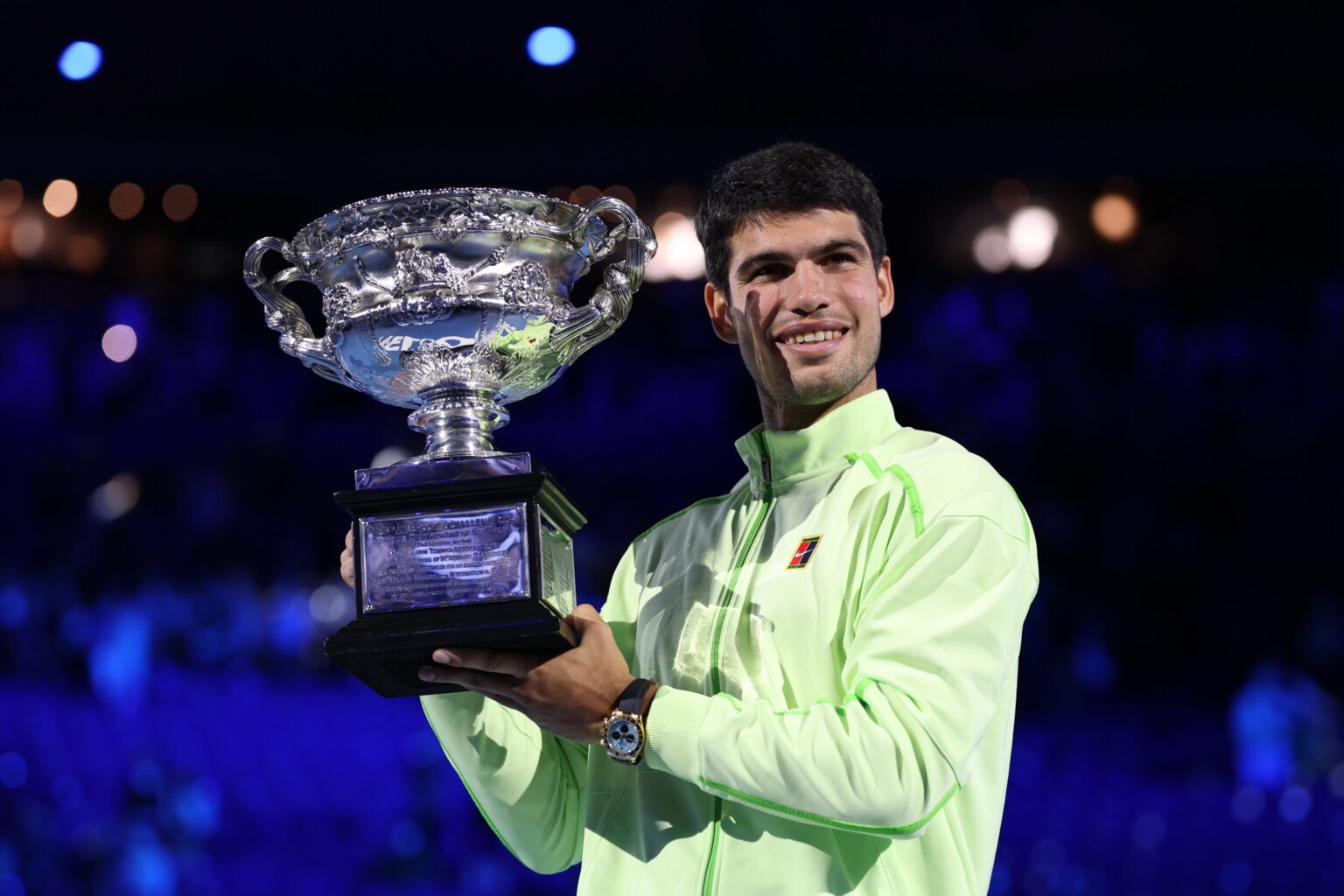
The ATP rankings after the Australian Open aren’t dramatic. They make sense. Carlos Alcaraz is No. 1 because he won the biggest match of the month. His final against Novak Djokovic wasn’t chaotic. It was controlled. The key stretch came in the second set, when Alcaraz began taking Djokovic’s backhand earlier, especially on return games. Instead of trading depth, he stepped in and shortened points. Djokovic prefers rhythm. Alcaraz removed it. That shift is the difference between leading the rankings and chasing them. For analysts who track ranking patterns closely, including those building DFS projections and searching for bonuses like a Sleeper promo code to make the best out of it, these details matter. Seeding and ranking gaps are not cosmetic. They shape matchups before the draw is even played.
Djokovic Is Still Here
Novak Djokovic at No. 3 is not a symbolic presence. He beat who he was supposed to beat in Melbourne and did it efficiently. In the quarterfinal, his return depth forced shorter service games from his opponent. He absorbed pace and redirected rather than overhitting. Even in the final loss, he stayed competitive because his backhand held up in long exchanges. What changed was Alcaraz’s willingness to step forward and take the ball earlier. Djokovic didn’t collapse. He was edged. A Slam final still carries enough weight to keep him inside the top three. That’s ranking structure, not nostalgia.
Sinner’s Position Is About Avoiding Bad Weeks
Jannik Sinner at No. 2 didn’t have the defining moment of the tournament, but he didn’t have a damaging loss either. That’s the difference. His quarterfinal performance again showed why he remains near the summit. He trusts depth over risk. He doesn’t rush neutral rallies. He forces opponents to hit through him rather than gifting errors. Over twelve months, that steadiness accumulates. The gap to Alcaraz exists, but it’s not overwhelming. One deep Masters run could shift pressure quickly.
Zverev and the Importance of Holding Ground
Alexander Zverev didn’t dominate headlines in Australia. What he did was protect his position. His serve numbers stayed high in early rounds, and he avoided an upset that would have cost him points. Sometimes rankings are preserved quietly. That is what Zverev did. The same applies to Taylor Fritz and Felix Auger-Aliassime. Both remain inside the Top 10 because they consistently clear early rounds. What they haven’t produced yet this season is the kind of Slam-level breakthrough that narrows the gap to the top three.
Musetti and De Minaur Look Different
Lorenzo Musetti’s rise inside the top five reflects real hard-court adjustment. In Melbourne he reduced low-percentage forehand attempts and built rallies with more patience. His shot selection was cleaner. That discipline translates directly into ranking stability. Alex de Minaur also looked sharper. He attacked second serves earlier and stepped forward more often, rather than extending defensive exchanges endlessly. On hard courts, that adjustment matters.
The Middle Remains Tight
Ben Shelton’s serve can flip a set quickly, and that firepower keeps him inside the Top 10. Alexander Bublik’s variation disrupts rhythm and earns points in short bursts. But sustaining those patterns deep into Slam draws remains the next step for both. Right now, the separation in the rankings is clear between the top three and the rest. Below that, margins are narrow. One early exit in a Masters event, one unexpected semifinal run, and positions five through ten can shift quickly. Melbourne didn’t reshape the sport. It reinforced the order. Alcaraz leads because he executed in the final. Sinner stays close because he avoids bad weeks. Djokovic remains relevant because he still reaches Slam finals. The rankings reflect performance. Nothing more.

