



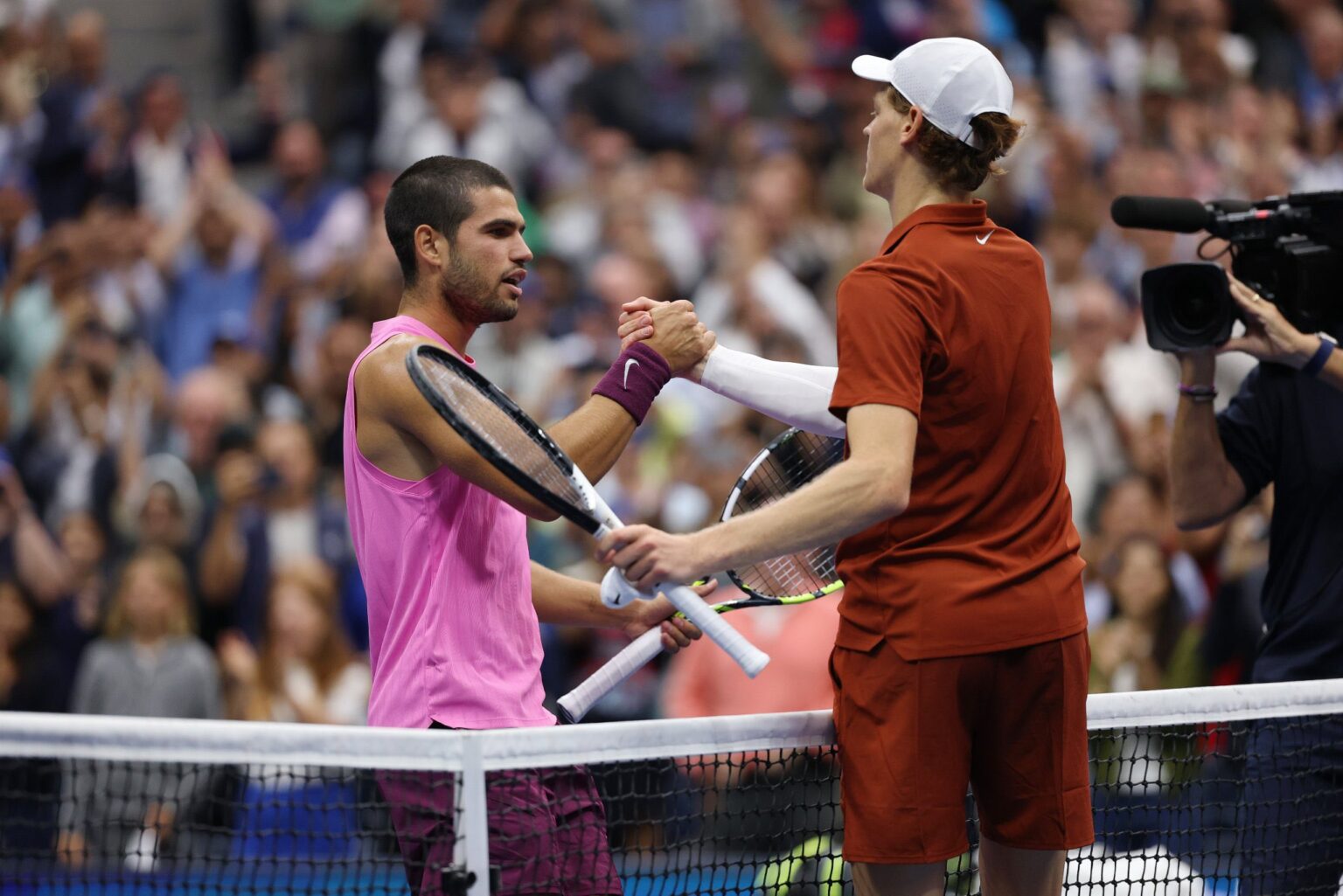
There is something cinematic about a tennis match which drags to a fifth set. The fans lean forward. The players are playing on fumes. Every point seems like it might have been a determining point in the story. However, after the adrenaline rush and the cameras are turned off, there is a less glamorous reality: the horrifying five-set hangover.
While not an official medical term, it is still familiar to players and coaches: sore legs, loss of focus, and that dragging feeling of running without thinking. The speed in which you recover will determine whether you will win or lose the next match.
The Anatomy of a Five-Set Hangover
The fifth set is not merely a test of stamina, it is a test of everything: of glycogen and water and patience and good judgment. After four hours of running after forehands, the body requires rest, and this is where the problem begins.
Immediately after the game, athletes fight to restore their energy — protein drinks, ice baths, a pre-stance or massage, before they even hit the showers. Sleep becomes the real MVP. One troubled night can roll back all the work they’ve been putting in. The issue is that there are seldom occasions when tournaments are willing to give your muscles a chance to forgive you.
The following day results in soreness, slow reaction time, and the invisible advantage that you possessed in round one begins to disappear. The five-set hangover at work.
The Recovery Making (or Breaking) of Scheduling
There is a fine art to balancing tournament scheduling, and it is cruel at times. Athletes who play well into the night usually have to be on the court the following afternoon, half-recovered, and still in a fog.
These gaps are likely to be revealed by Grand Slams, in which five-set marathons are a common feature. The luck of the draw matters as much as fitness, so one player might get a day off, while another gets thrown right back in. That is when good recovery programs make the difference between living and making an early heartbreak headline.
Some of it could be solved by smarter scheduling, such as by distributing match loads or providing rest buffers. However, with the timing of the broadcasts, fan schedules and weather delays, balance is not always in the cards. Sometimes surviving a Slam is less to do with making shots and more to do with managing time.
When Fatigue Greets Anger with an Open Door
It often happens: a qualified player has launched a five-set battle to the death, and has then lost to a lower-ranked player two days later. The explanation is simple — it’s exhaustion.
Decision-making is first impaired when one gets tired. The player’s feet become slower by a slight margin, the forehand becomes loose, and the opponent suddenly smells blood. To the underdog, that is an open door. They push a bit harder, run more risks, and profit on their opponent’s weary legs and slower responses.
The hangover is painful, even emotionally. Having survived a severe game, players may relax subconsciously and believe that the hardest part is over. But the next storm is often right around the corner. It usually comes in the form of a hungry challenger.
Super Bonus Comparison: Energy Management in Sport and Beyond
Interestingly, by extension, the same sort of the push-pull energy-recovery dynamic manifests itself in contexts off the court, such as in gaming and betting. Take Stake casino bonuses, for example. They serve to maintain the momentum, providing in-game players with an extra push once they are on a cold streak or offline. However, as in tennis, everything counts on the timing.
A bonus is a clever method for a casino to keep players — but for the players, it could be a way to burnout when you plunge into the game without a plan. The moral of the story is an easy one: be it the fatigue after a match, or betting bonuses, it is more important to move at a pace, than to run hard. Consistency (and profit) is in knowing when to rest, reset and continue playing.
United Cup Lesson
Fatigue hangovers are not a myth; they are proof of how fatigue can turn a match around. However, smart strategy, time management and load distribution can help tennis players avoid fatigue and burnout. This is what happened at the 2025 United Nations Cup. Coco Gauff overcame Iga Swiatek and Taylor Fritz overcame Hubert Hurkacz in a high-stakes match in Sydney, which gave the US a win.
It wasn’t just the results of the competition that were interesting this year. It was also fascinating to observe how the various teams managed their intense workloads and the strategies they employed to combat fatigue. Singles and doubles were often piled together within the same day. The most successful teams were those that focused on rest, that mended themselves and that knew when to spare themselves a little, so that tomorrow they would be able to resume.
Final Thoughts
The concept of five-set hangover is a folklore of tennis, but it is also a gateway to the contemporary development of the sport. Smarter scheduling, recovery science and even mental conditioning are altering the way players deal with the grind.
Nevertheless, some facts will always be eternal: push too much, and you will pay the next day. The champions are not those who can hit the hardest, but those who can rise sore and stiff and still manage to win.

