



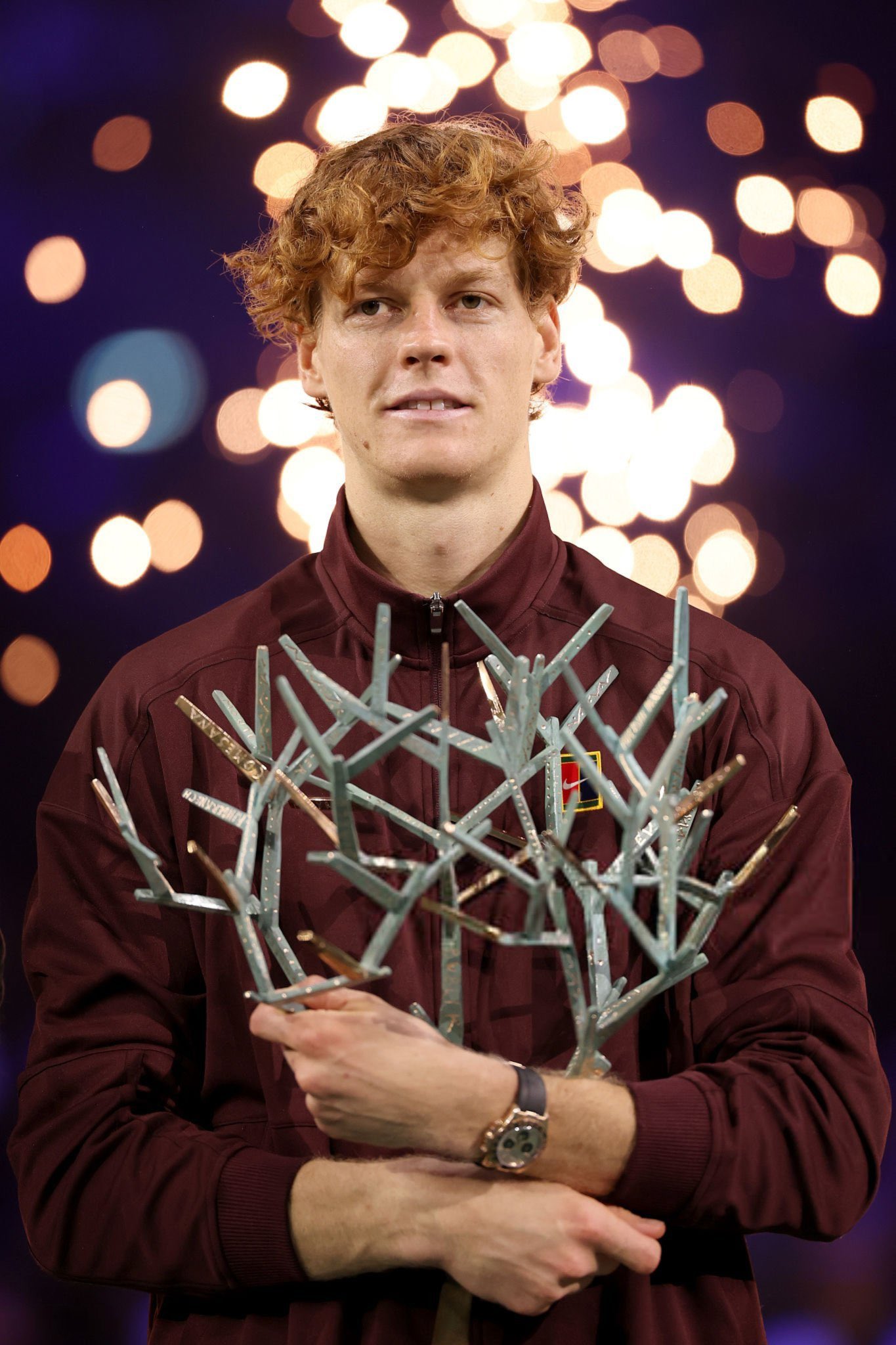
The ATP season doesn’t really end; it just catches its breath. The Paris Masters which is underway feels like the last song before the lights come on. The courts are indoors, the crowd half-wrapped in scarves, and players look like they’re running on what’s left in the tank. And yet, if you watch closely, Paris always leaves clues about what’s coming in Melbourne.
Every year someone finishes the season too hot to cool off. Paris has that way of showing who’s still hungry when everyone else is ready for the beach. A strong run there doesn’t guarantee anything at the Australian Open, but it often whispers what January will sound like if you want to try sports betting.
Take Jannik Sinner last year. He looked smooth in Paris as he was fast, fearless, not forcing anything. A few weeks later, he walked into Melbourne and took the whole thing apart, Djokovic included. That wasn’t a surprise to anyone who saw how he finished his season. He didn’t find form in January; he carried it from November.
The same story has played out before. Medvedev, Zverev, Djokovic are all players who ended well in Paris and tended to start well down under. It’s not about the court surface. Paris is cold and flat; Melbourne is dry and lively. It’s about timing. The players who close the year clean, who hit through fatigue instead of fading from it, are the ones who show up in Australia with their engines already warm.
There’s another side to it, too. Paris shows who’s broken. By the time the tour reaches France, bodies are taped together. You can tell who’s hiding a limp or checking their shoulder after every serve. Those same cracks usually reappear in January. The off-season is too short to fix a body that’s already overcooked.
Watch how players move in Paris and it is not just the winners, but also the recoveries. The ones who keep their legs under them in long rallies, who still sprint for a drop shot in the third set and those are the names you circle for Melbourne.
The younger ones treat Paris like an audition. They walk in wide-eyed, draw a top seed, and see how close they can get. If they hang around deep into the draw, that confidence doesn’t disappear during December training blocks. It hardens. You can feel it again in Australia when they suddenly look like they belong.
For coaches, Paris is the dress rehearsal. It’s where they test tweaks like a new serve target, or a different return position, and see if it holds under pressure. The data may change, but the rhythm doesn’t. Short points, first-strike tennis, calm under noise. It’s all Melbourne preparation hiding in plain sight.
By January, the headlines will talk about surprises, about who “found” their form. But those who pay attention know better. Form doesn’t appear out of nowhere; it survives the winter.
So, can the Paris Masters tell us something about the Australian Open? Not in statistics but in body language. In how players walk back to the line after a long point, in who still believes there’s something left to win. The season might be ending, but Paris always shows who’s already thinking about the beginning.

